






You’ve probably never heard of your psoas muscle. Yet right now, it might be the reason you can’t stand up straight without discomfort, why your lower back aches after sitting, or why climbing stairs feels harder than it used to.
Here’s what’s frustrating: you might have been told your pain is “just part of getting older” or that you need to “work on your posture.” You’ve tried stretches from YouTube. Maybe you’ve seen a chiropractor or physical therapist. Some days are better, but the tightness keeps coming back.
If this sounds familiar, you’re not alone—and you’re not imagining things.
The psoas muscle is one of the most overlooked yet powerful players in how your body moves, stands, and feels. When it becomes tight, short, or overactive, it creates a cascade of symptoms that can affect everything from your hips to your breathing. And because it’s hidden deep inside your body, most people have no idea it’s the source of their discomfort.
This article will help you understand what the psoas does, why it gets tight, and—most importantly—how to recognize the symptoms so you can finally address what’s really going on.
What Is the Psoas Muscle and Why Does It Matter So Much?
Let’s start with the basics, because understanding what this muscle does will help everything else make sense.
The psoas (pronounced “SO-as”) is a deep hip flexor muscle that connects your lower spine to your thigh bone. Specifically, it attaches to the sides of your lumbar vertebrae (the five bones in your lower back), runs down through your pelvis, and connects to the inside of your femur, just below your hip joint.
Think of it as a powerful cable running from your spine to your leg. Every time you lift your knee, walk up stairs, get out of a chair, or even stand upright, your psoas is working.
But here’s what makes it special: the psoas isn’t just a movement muscle. It’s also a postural muscle, meaning it plays a major role in how you hold yourself upright. It helps stabilize your spine, influences the curve in your lower back, and affects the position of your pelvis.
Because of these connections, the psoas impacts:
- Lower back alignment and lumbar curve
- Hip mobility and stride length
- Pelvic tilt and posture
- Core stability and breathing mechanics
When your psoas is balanced and functioning well, you barely notice it. But when it becomes chronically tight, short, or overactive, it pulls on the spine, tilts the pelvis forward, and restricts hip movement—setting off a chain reaction of compensation and discomfort throughout your body.
And here’s the kicker: because the psoas is located so deep inside your torso, you can’t see it or touch it. That’s why tight psoas symptoms are so often misunderstood or misdiagnosed.
Why Does the Psoas Muscle Get Tight in the First Place?
If you’re dealing with tightness in this muscle, you might be wondering: Why me? What did I do wrong?

The truth is, a tight psoas isn’t usually caused by one single event. It’s the result of patterns—how you move (or don’t move), how you hold stress, and how your body adapts to daily life.
1. Prolonged Sitting
This is the most common culprit. When you sit, your hips are flexed, meaning your psoas is in a shortened position. If you sit for hours every day—at a desk, in a car, on the couch—your psoas adapts to that shortened state. Over time, it loses length and flexibility, staying contracted even when you stand up.
Think of it like leaving a rubber band in a tight knot for weeks. When you finally try to stretch it out, it resists.
2. Stress and Emotional Tension
The psoas is sometimes called the “fight or flight” muscle because it’s wired into your nervous system’s stress response. When you’re anxious, overwhelmed, or chronically stressed, your psoas can become hypertonic—constantly holding tension, even when you’re not moving.
This is why people who are under a lot of emotional stress often complain of lower back tightness or hip discomfort, even if they haven’t done anything physically strenuous.
3. Compensation for Weakness or Injury
If other muscles in your core, hips, or glutes aren’t doing their job—whether due to weakness, previous injury, or poor movement patterns—your psoas will pick up the slack. It becomes overworked, tight, and fatigued because it’s doing more than it was designed to do.
For example, if your glutes are weak, your psoas may take over during walking or stair climbing, leading to chronic tightness.
4. Repetitive Hip Flexion Activities
Athletes and active individuals—especially runners, cyclists, dancers, and those who do a lot of uphill walking or stair climbing—can develop tight psoas muscles from repetitive hip flexion. The muscle is constantly shortening and working, without adequate time to lengthen and recover.
5. Aging and Reduced Activity
As we age, we tend to move less. We lose muscle flexibility, spend more time seated, and may avoid activities that used to keep us mobile. The psoas, like any muscle, adapts to what we ask of it. Less movement equals less flexibility.
Additionally, age-related changes in posture—such as a forward head position or rounded shoulders—can shift your center of gravity and increase the demand on your psoas to stabilize your body.
6. Previous Abdominal or Hip Surgery
Surgical procedures in the abdomen, pelvis, or hip area can lead to scar tissue formation or changes in how you move post-recovery. This can affect the psoas, either directly or through compensation patterns that develop during healing.
The Full Spectrum of Tight Psoas Symptoms
Now let’s get to what you’re really here for: the symptoms. Because the psoas connects your spine to your hip, tightness in this muscle can create a surprisingly wide range of problems—many of which don’t seem related at first glance.
Lower Back Pain (Especially Deep, One-Sided, or Near the Spine)
This is the most common symptom. A tight psoas pulls on the lumbar vertebrae, increasing the arch in your lower back and creating compression and tension. The pain is often:
- Deep and aching, not sharp
- Worse after sitting for a long time
- Relieved (temporarily) by lying down with knees bent
- Sometimes one-sided, if one psoas is tighter than the other
People often describe it as a “deep ache” that’s hard to pinpoint or stretch away.
Hip Pain or Stiffness in the Front of the Hip
Because the psoas crosses the hip joint, tightness here can create a sensation of:
- Stiffness or restricted movement when lifting your leg
- Discomfort in the front of the hip or deep in the groin
- A “pinching” feeling when you bring your knee toward your chest
- Difficulty putting on shoes or getting into a car
This is often mistaken for a hip joint problem, but it’s actually muscular.
Difficulty Standing Up Straight
If your psoas is chronically short and tight, it keeps your hip flexed slightly forward. This makes it hard to fully extend your hip and stand tall. You might notice:
- A feeling of being “pulled forward” when you try to stand upright
- The need to lean back or arch your lower back to compensate
- Feeling like you’re “stuck” in a slight crouch, especially after sitting
Many older adults are told they have “poor posture,” when in reality, a tight psoas is physically restricting their ability to stand tall.
Anterior Pelvic Tilt (Excessive Arch in Lower Back)
When the psoas is tight, it tilts your pelvis forward—a position called anterior pelvic tilt. This exaggerates the curve in your lower back and sticks your belly and butt out.
It doesn’t just look like “bad posture.” It creates mechanical stress on your spine, contributes to lower back pain, and makes it harder for your glutes and core to work properly.
Pain or Discomfort When Walking or Climbing Stairs
Walking and stair climbing both require hip extension—the opposite of what a tight psoas wants to do. As a result, you might feel:
- Tightness or pulling in the front of your hip with each step
- Lower back discomfort during or after walking
- Fatigue in your hips or legs that seems disproportionate to the activity
- A shortened stride length, because your hip won’t extend fully
Groin Pain or Inner Thigh Discomfort
The psoas attaches near the groin area, so tightness can refer pain or tension into this region. It’s often mistaken for a groin strain, hernia, or hip flexor injury, but the root cause is deeper—literally.
Difficulty Getting Up from Sitting or Lying Down
Because the psoas is a primary hip flexor, tightness can make it hard to initiate movement from a resting position. You might notice:
- Struggling to get out of a low chair or car seat
- Pain when transitioning from lying to sitting
- Needing to use your arms to push yourself up
This is especially common in older adults and can contribute to fear of falling or loss of independence.
Pain That Worsens After Sitting and Improves with Movement
A hallmark of tight psoas symptoms: you feel worse after being still, and better (at least initially) once you start moving. The muscle is shortened and compressed while sitting, so standing up stretches it abruptly—causing discomfort. Once you walk around and loosen up, the pain eases.
But the relief is temporary, because the tightness is still there.
Feeling Like One Leg Is Shorter Than the Other
A unilateral tight psoas (tighter on one side) can create a functional leg length discrepancy. The tight side pulls the pelvis into rotation or tilt, making it feel like one leg doesn’t quite reach the ground the same way. This can lead to:
- Limping or uneven gait
- One-sided lower back pain
- Hip or knee discomfort on one side
Shallow Breathing or Difficulty Taking Deep Breaths
This one surprises people. The psoas is located near the diaphragm, your primary breathing muscle. When the psoas is tight, it can restrict diaphragm movement and contribute to shallow, chest-based breathing instead of deep belly breathing.
You might notice:
- Feeling like you can’t take a full, satisfying breath
- Tension in your ribcage or upper abdomen
- Increased anxiety or stress (which, ironically, makes the psoas tighter)
Pain During or After Exercise
If you’re active, you might notice:
- Hip or lower back discomfort during running, cycling, or yoga
- Trouble with deep squats, lunges, or hip stretches
- Pain that flares up after activity, even if you felt fine during
This often happens because the tight psoas restricts hip mobility, forcing other areas (like your lower back or knees) to compensate.
Digestive Discomfort or Constipation
Because the psoas runs alongside the intestines and other abdominal organs, chronic tightness can create pressure or tension in the abdomen. Some people report:
- A feeling of fullness or bloating
- Constipation or sluggish digestion
- Discomfort that seems both muscular and digestive
This is less common but worth noting, especially if you have unexplained digestive issues alongside musculoskeletal symptoms.
The Symptom Checklist: Do You Have a Tight Psoas?
Take a moment to reflect. Do you experience any of the following?
- ☐ Lower back pain that feels deep and hard to stretch
- ☐ Stiffness in the front of your hip or groin
- ☐ Difficulty standing fully upright after sitting
- ☐ Pain when lifting your knee or climbing stairs
- ☐ A feeling of being “pulled forward” in your posture
- ☐ One-sided hip or back discomfort
- ☐ Shortened stride or limping
- ☐ Pain that improves with movement but returns after sitting
- ☐ Trouble getting out of chairs or up from the floor
- ☐ Feeling like one leg is shorter than the other
- ☐ Shallow breathing or tension in your ribcage
- ☐ Discomfort during exercise that doesn’t resolve with typical stretching
If you checked three or more of these, there’s a good chance your psoas is involved.
How to Tell If It’s Really Your Psoas (and Not Something Else)
It’s important to recognize that tight psoas symptoms can overlap with other conditions. Here’s how to differentiate:
Tight Psoas vs. Herniated Disc or Nerve Issue
- Disc/nerve issues typically cause sharp, shooting pain, numbness, tingling, or weakness that radiates down the leg (sciatica).
- Tight psoas causes deep, aching pain localized to the lower back, hip, or groin, without significant nerve symptoms.
If you have numbness, tingling, or weakness, see a healthcare provider.
Tight Psoas vs. Hip Joint Arthritis or Labral Tear
- Hip joint problems often cause pain deep inside the hip, clicking, locking, or pain with rotation (like putting on shoes).
- Tight psoas causes discomfort more in the front of the hip and is closely tied to activities involving hip flexion or extension (walking, stairs, standing up).
If your hip pain is deep, constant, or accompanied by clicking or giving way, get it evaluated.
Tight Psoas vs. General Muscle Soreness
- Muscle soreness from exercise is usually bilateral (both sides), improves within a few days, and responds well to rest.
- Tight psoas is often one-sided or chronic, doesn’t fully resolve with rest, and is linked to posture and sitting habits.
When to Seek Medical Evaluation
While a tight psoas is usually a muscular issue that can be addressed with movement, stretching, and postural awareness, there are times when you should see a healthcare provider:
- Pain that doesn’t improve after several weeks of self-care
- Severe pain that limits daily activities
- Numbness, tingling, or weakness in your legs
- Loss of bowel or bladder control (seek immediate care)
- Pain accompanied by fever, unexplained weight loss, or night sweats
- History of cancer, osteoporosis, or significant trauma
These symptoms may indicate something more serious that requires professional diagnosis and treatment.
Why Tight Psoas Symptoms Are So Often Misunderstood
Part of the reason tight psoas issues fly under the radar is that this muscle is deep and invisible. You can’t see it in the mirror. You can’t massage it yourself. And because it affects so many areas—your back, hips, posture, breathing—it’s easy to mistake the symptoms for something else.
Additionally, many healthcare providers focus on the area where you feel pain, rather than looking at the body as a whole. You might get treatment for your lower back without anyone considering that your hip flexors are the real problem.
This is why understanding your own body and recognizing patterns is so empowering. When you can connect the dots between your symptoms and the psoas, you’re better equipped to find solutions that actually work.
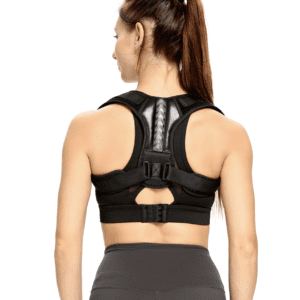
How Posture Support and Braces Can Help
While movement and stretching are essential for managing a tight psoas, many people find relief by reducing the mechanical stress on their hips and lower back during the recovery process.
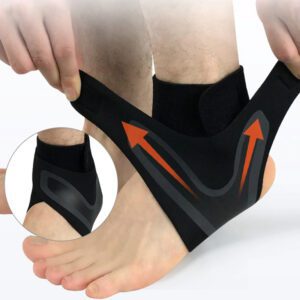
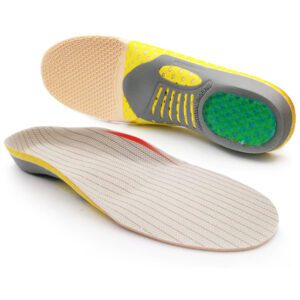
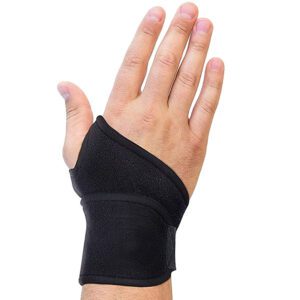
This is where supportive tools—like lumbar support braces, hip stabilizers, and ergonomic insoles—can play a helpful role.
Lumbar Support Braces
A well-designed lower back brace can help maintain neutral spinal alignment, reducing the excessive arch (anterior pelvic tilt) that a tight psoas creates. This decreases the pull on your lumbar spine and gives the psoas a chance to relax.
These are especially helpful during activities that aggravate your symptoms, like long periods of standing, walking, or light physical work.
Hip Braces and Compression
Hip support braces can provide gentle compression and proprioceptive feedback, helping you become more aware of your posture and movement patterns. They can also reduce compensatory strain on surrounding muscles while you work on lengthening and retraining the psoas.
Supportive Insoles
Believe it or not, what happens at your feet affects your hips and lower back. If your feet roll inward (overpronation) or you have flat arches, your body compensates up the chain—often by overworking the psoas.
Insoles that provide arch support and proper alignment can reduce this compensation, taking some of the burden off your hip flexors and improving your overall posture and gait.
Using Support Wisely
It’s important to understand that braces and supports are tools, not cures. They work best when combined with:
- Gentle stretching and mobility work
- Strengthening exercises for the glutes, core, and hips
- Postural awareness and movement retraining
- Stress management and breathing exercises
Think of them as part of a comprehensive approach—something that gives your body the support it needs while you address the root causes of tightness.
At Baron Active, we focus on helping people stay active, mobile, and pain-free by providing high-quality supports that work with your body’s natural healing process, not against it.
What You Can Start Doing Today

If you suspect a tight psoas is behind your symptoms, here are some practical steps you can take right now:
1. Break Up Your Sitting Time
Set a timer to stand up and move every 30–45 minutes. Even a short walk or a few stretches can prevent your psoas from staying locked in a shortened position.
2. Practice Hip Flexor Stretches (Gently)
Stretching a tight psoas requires patience. Aggressive stretching can make it worse. Instead, focus on gentle, sustained stretches like:
- A low lunge with your back knee on the ground, gently pressing your hips forward
- Lying on your back with one leg extended and the other bent, allowing the extended leg to relax and lengthen
Hold stretches for 60–90 seconds and breathe deeply.
3. Strengthen Your Glutes and Core
A weak backside forces your psoas to overwork. Simple exercises like:
- Glute bridges
- Clamshells
- Dead bugs
- Planks (with proper form)
…can help restore balance and take pressure off your hip flexors.
4. Focus on Posture and Alignment
When standing, imagine a string pulling the top of your head toward the ceiling. Relax your ribs down, engage your core gently, and avoid letting your lower back arch excessively.
When sitting, use a lumbar support cushion or rolled towel to maintain the natural curve of your spine.
5. Manage Stress and Breathe Deeply
Since the psoas is tied to your nervous system, calming your body can help release tension. Practice diaphragmatic breathing:
- Lie on your back with your knees bent.
- Place one hand on your chest, one on your belly.
- Breathe in slowly through your nose, letting your belly rise.
- Exhale fully through your mouth.
- Repeat for 5–10 minutes daily.
This can help “tell” your psoas that it’s safe to relax.
6. Consider Professional Help
If self-care isn’t enough, consider seeing a physical therapist, chiropractor, or massage therapist who specializes in myofascial release or psoas work. Sometimes, targeted manual therapy can make a significant difference.
Frequently Asked Questions About Tight Psoas Symptoms
How do I know if my psoas is tight?
Common signs include difficulty standing up straight, lower back pain that worsens with sitting, stiffness in the front of your hip, and pain when lifting your knee or climbing stairs. If stretching your hip flexors feels very restricted or uncomfortable, that’s another clue.
Can a tight psoas cause sciatica?
Indirectly, yes. A tight psoas can pull on the lumbar spine and alter pelvic alignment, which may contribute to nerve compression or irritation. However, true sciatica (radiating pain, numbness, tingling) typically involves a disc or nerve root issue and should be evaluated by a healthcare provider.
What does psoas pain feel like?
Psoas pain is usually a deep, aching discomfort in the lower back, front of the hip, or groin. It’s not sharp or stabbing, but it’s persistent and hard to relieve with typical stretching. Many people describe it as a “pulling” sensation or a feeling of being “stuck.”
Can sitting too much cause a tight psoas?
Absolutely. Prolonged sitting keeps the psoas in a shortened position, and over time, the muscle adapts by losing length and flexibility. This is one of the most common causes of tight psoas in modern life.
How long does it take to release a tight psoas?
It depends on how long the muscle has been tight and what’s causing it. With consistent stretching, strengthening, posture correction, and stress management, many people notice improvement within 2–6 weeks. Chronic cases may take longer and benefit from professional guidance.
Can a tight psoas affect digestion?
Yes, in some cases. The psoas runs alongside the intestines, and chronic tension can create pressure or restriction in the abdomen. While it’s not the most common symptom, some people do experience bloating or constipation related to psoas tightness.
Should I stretch a tight psoas every day?
Gentle stretching daily can be helpful, but avoid overstretching or forcing it. Balance stretching with strengthening exercises for the glutes and core to address the underlying imbalance. Quality and consistency matter more than intensity.
Can a tight psoas cause knee pain?
Yes. When the psoas is tight, it can alter your gait and pelvic alignment, which changes how force is distributed through your legs. This can lead to compensatory strain on the knees, especially during walking, running, or climbing stairs.
Final Thoughts: You’re Not Stuck with This
If you’ve been living with unexplained lower back pain, hip stiffness, or difficulty standing upright, it’s easy to feel discouraged. You might have tried stretches that didn’t work, exercises that made things worse, or been told your pain is just “part of aging.”
But here’s the truth: your body is adaptable. The same patterns that caused your psoas to tighten can be reversed with the right approach.
Understanding that your psoas is involved is the first step. From there, it’s about consistent, gentle movement, postural awareness, stress management, and—when needed—supportive tools that give your body the alignment and relief it needs to heal.
You don’t have to accept pain as your new normal. You don’t have to avoid the activities you love. And you don’t have to figure this out alone.
At Baron Active, we’re committed to helping people like you stay active, mobile, and confident in their bodies. Whether it’s through education, high-quality braces and supports, or simply offering the information you need to take the next step—we’re here for you.
Because you deserve to move freely, stand tall, and live without pain.
Ready to take the next step? Explore our collection of lumbar support braces, hip stabilizers, and ergonomic insoles designed to support your body’s natural alignment and help you move with confidence. Your journey to feeling better starts today.