






It’s 11:40 p.m. The laundry’s folded, the inbox is at zero, and you are lying in the dark with your jaw clenched and your mind sprinting through a to-do list nobody asked for. Your body did everything right today. It just won’t let go.
That’s not a willpower problem. It’s a nervous system problem — and there’s a specific, physical reason your body won’t downshift, running from the base of your brainstem all the way to your gut.
It’s called the vagus nerve, and learning to work with it — instead of white-knuckling through another wired, exhausted day — is the single biggest lever you have for switching your body out of fight-or-flight and into actual rest. This guide walks through what the vagus nerve does, how to tell if yours needs support, seven free techniques for stimulating it starting tonight, the mistakes that quietly cancel out your effort, and where a wearable device like NeuroEase™ fits in when willpower alone isn’t cutting it.
What Is the Vagus Nerve, and Why Does It Run the Whole Show?
The vagus nerve is the longest cranial nerve in your body. “Vagus” is Latin for “wandering,” and that’s exactly what it does — starting at the base of your brainstem, then winding down through your neck, chest, and abdomen, brushing against your heart, lungs, and digestive tract along the way.
It’s the main cable of your parasympathetic nervous system — the half of your nervous system in charge of rest, digestion, and recovery. Its counterpart, the sympathetic nervous system, handles fight-or-flight. Think of them as two hands on a dimmer switch: one turns your body’s alertness up, the other turns it back down. In a well-regulated body, the two hands trade off smoothly all day long.
The problem is that modern life keeps one hand glued to the switch. Notifications, deadlines, traffic, doomscrolling — none of it is life-threatening, but your nervous system doesn’t always know that. It reads constant low-grade pressure as constant low-grade danger, so it keeps the dial turned toward sympathetic mode and rarely lets the parasympathetic side take its turn.
That’s where vagal tone comes in. Vagal tone is a measure of how quickly and efficiently your vagus nerve can pull you back into a calm state once a stressor passes. It’s kinda like a rubber band — higher vagal tone snaps you back to baseline fast; lower vagal tone leaves you stretched out and slow to recover, so you stay wired long after the stressful email, the argument, or the near-miss in traffic is actually over.
Here’s the encouraging part: vagal tone isn’t fixed. Like a muscle, it responds to training. That’s the entire premise behind vagus nerve stimulation — whether you’re doing it with your own breath, or with a device designed to do it for you.
Is Your Nervous System Actually Stuck in Overdrive? (Self-Check)
Before you assume this doesn’t apply to you, run through this list. Low vagal tone rarely announces itself as “anxiety” — it usually shows up as a collection of smaller, seemingly unrelated symptoms:
- You feel tired but wired, especially at night
- Your resting heart rate feels elevated even when you’re sitting still
- You startle easily or feel on edge in normal situations
- Digestion feels off — bloating, a “nervous stomach,” or irregular appetite
- Your shoulders, jaw, or neck are tense by default, not just when you notice stress
- Calm rarely lasts — one small hiccup and you’re flooded again
- Sleep feels shallow even when you get enough hours
You don’t need all seven to have a nervous system that’s running hot. Two or three, showing up consistently, are enough to make the techniques below worth trying. This isn’t a diagnosis — it’s a pattern-recognition tool, and recognizing the pattern is the first real step toward changing it.
The Stress-Pain Connection: Why an Overloaded Nervous System Makes You Hurt More
Here’s the part that doesn’t get talked about enough: a nervous system stuck in overdrive doesn’t just make you anxious — it makes you hurt more.
When your body stays in fight-or-flight, it holds onto tension as a defense mechanism. Muscles that should be relaxed — your neck, jaw, shoulders, low back, hip flexors — stay braced, waiting for a threat that never quite arrives. Over time, that chronic bracing contributes to the kind of deep, nagging tightness that no amount of stretching fully resolves. We’ve written before about how the psoas muscle quietly stores stress and tension and ends up dragging on your posture and low back — that’s the stress-pain connection playing out in real time, in one of the most commonly overlooked muscles in the body.
There’s also an inflammation link. The vagus nerve is part of what researchers call the “inflammatory reflex” — it helps regulate how your immune system responds to injury and irritation. A nervous system stuck in overdrive tends to run a more inflamed baseline, which can mean slower recovery from workouts, more sensitive joints, and pain that lingers longer than it reasonably should.
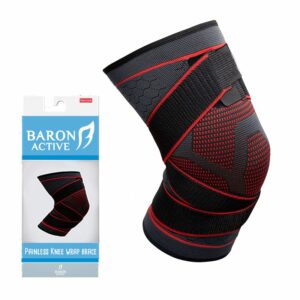
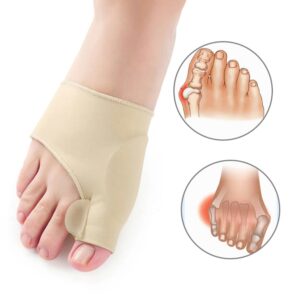
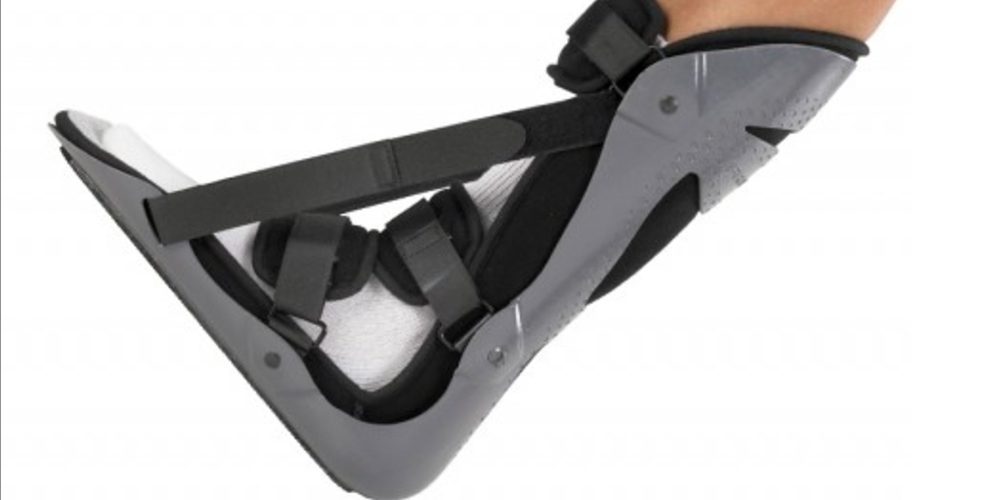
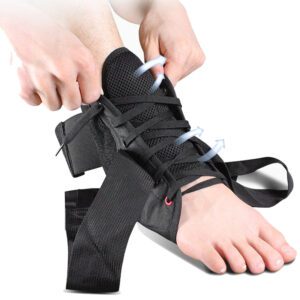
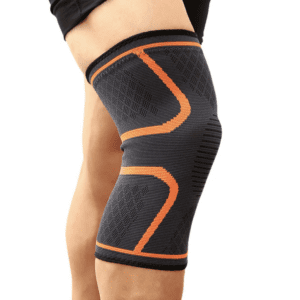
This is exactly why recovery tools matter as much as support tools. A brace or compression sleeve protects the joint or the tissue you’re already favoring. Calming the nervous system underneath it addresses the other half of the picture — the recovery benefits that compression gear is already designed to support. Support the structure, calm the system running it — that’s the full loop.
What Happens Inside Your Body When You Stimulate the Vagus Nerve
The mechanism isn’t mysterious, even if the marketing around it sometimes makes it sound that way. When the vagus nerve is activated — by breath, by cold, by an electrical pulse through the ear — it releases acetylcholine, a neurotransmitter that acts like a brake pedal on your heart rate and signals your organs to shift out of alert mode.
This shift shows up in a measurable way called heart rate variability (HRV) — the tiny fluctuations in time between each heartbeat. Counterintuitively, more variability is the healthy sign; it means your nervous system can flexibly speed up and slow down as conditions change. Low variability, a heart that beats almost metronomically even at rest, is associated with a nervous system stuck in one gear. HRV is why wearable rings and watches have made “vagal tone” a mainstream term — it’s one of the few internal nervous-system markers you can actually see on a screen.
Vagus nerve stimulation, whether self-directed or device-assisted, has been studied in clinical settings for decades — it’s an approved treatment for drug-resistant epilepsy and treatment-resistant depression in its invasive, surgically implanted form. The non-invasive, at-home versions covered in this guide use the same underlying pathway at a gentler intensity, which is why the research base, while still growing, already points in a consistent direction: activating this nerve reliably nudges the body toward calm, better digestion, and lower systemic inflammation.
7 Ways to Stimulate Your Vagus Nerve Naturally
You don’t need special equipment to start toning your vagus nerve. These seven techniques are grounded in how vagal activation actually works, and most take less than five minutes.
1. Slow, Diaphragmatic Breathing
This is the fastest, most accessible vagus nerve exercise there is, and it’s free forever. The trick is the exhale — a longer exhale than inhale directly signals your parasympathetic system to switch on, because your heart rate naturally slows every time you breathe out, and the vagus nerve is the one relaying that signal.
Try it now: breathe in through your nose for a count of four, letting your belly (not your chest) expand. Hold for a beat. Exhale slowly through your mouth for a count of six to eight. Repeat for two to three minutes. If your mind wanders, count the exhale out loud in your head — it gives the racing thoughts somewhere else to go.
This is also the technique to reach for first if everything else on this list feels like too much on a hard day. It needs no equipment, no privacy, and no special posture — you can do it at a red light, at your desk, or lying in bed at 11:40 p.m.
2. Cold Exposure
A splash of cold water on your face, an ice pack held to your neck, or the last 30 seconds of your shower turned cold all trigger the mammalian dive reflex — a built-in response, shared with diving mammals, that slows your heart rate and shifts you toward parasympathetic dominance almost instantly. It’s one of the few techniques on this list you can feel working in real time.
Start small. Even 15–30 seconds of cold water on your face activates the response; you don’t need a full cold plunge to get the benefit, and building up gradually beats quitting after one brutal attempt. Focus the cold specifically on your forehead, temples, and the sides of your neck — that’s where the reflex is most sensitive — rather than dunking your whole body and hoping for the best.
3. Humming, Gargling, or Chanting
This sounds strange until you understand the anatomy: the vagus nerve is connected to the muscles at the back of your throat and vocal cords. Anything that vibrates that area — humming a low note, gargling water for 30 seconds, singing along to something in the car — mechanically stimulates the nerve.
Try humming a low, steady note for one to two minutes. You should feel a faint vibration in your throat and chest — that’s the nerve getting the signal.
4. Social Connection and Laughter
Genuine connection — a real conversation, physical touch, a hard laugh — activates what’s sometimes called the “social engagement system,” which runs through vagal pathways. This is one of the more overlooked forms of nervous system regulation, and a quiet reminder that isolation works against your vagal tone over time, even when it feels like the easier option on a hard day.
5. Meditation and Mindfulness
Regular meditation, even in short sessions, is consistently linked to improved heart rate variability — one of the clearest measurable markers of vagal tone. You don’t need a 45-minute practice; five to ten minutes of focused breath awareness, done daily, moves the needle more than an occasional hour-long session you dread and eventually skip.
If sitting still and “clearing your mind” has never worked for you, try a narrower version: pick one physical sensation — your breath at the nostrils, or your feet on the floor — and return your attention to it every time it wanders. You’re not failing when your mind drifts; the returning is the actual exercise, repeated like a rep.
6. Moderate Exercise
Movement is a two-way street with your nervous system. Intense, chronic overtraining can actually suppress vagal tone, but moderate, consistent exercise — walking, swimming, light strength training, yoga — has the opposite effect, improving your body’s ability to shift between sympathetic and parasympathetic states on demand.
7. Protecting Your Sleep
Your parasympathetic system does its deepest work while you sleep, which means poor sleep and low vagal tone feed each other in a loop that’s hard to break without intervening somewhere. A consistent wind-down routine — dim lights, no screens for the last 30 minutes, a stable bedtime — gives your vagus nerve room to do its job overnight instead of fighting a losing battle against blue light and a racing mind.
Common Mistakes That Blunt Your Results
Most people don’t fail at vagus nerve stimulation because the techniques don’t work. They fail for one of these four reasons:
They only try it mid-crisis. Doing a breathing exercise for the first time during a panic spiral is like trying to learn a new exercise form during a max-weight lift. Practice when you’re calm so the technique is already familiar when you actually need it.
They quit after one session. A single cold splash or five-minute meditation can produce an immediate, noticeable shift — but the deeper changes to sleep, mood, and baseline tension build over one to two weeks of daily practice. Judging the whole approach off day one is the single most common reason people give up too early.
They overdo it. More isn’t always better. Overtraining, over-caffeinating, or stacking six techniques at once tends to add stress rather than remove it. Two or three consistent techniques beat seven inconsistent ones.
They expect a permanent fix instead of a daily practice. Vagal tone is trainable, not curable. It’s closer to brushing your teeth than taking an antibiotic — the benefit comes from repetition, not a one-time dose.
When Natural Techniques Aren’t Enough: Vagus Nerve Stimulation Devices
Breathing exercises and cold showers work — but they require remembering to do them, consistently, on exactly the days you’re too wired to remember anything. That’s the gap wearable vagus nerve stimulation devices are built to close.
Non-invasive vagus nerve stimulation — sometimes shortened to taVNS, for transcutaneous auricular vagus nerve stimulation — works by delivering gentle electrical pulses to a branch of the vagus nerve accessible through the outer ear. It’s the same general mechanism used in clinical settings for years, now built into consumer wearables you can use from your couch.
Most consumer devices fall into one of three categories: ear-clip devices that target the branch of the nerve at the outer ear, neck-worn devices that stimulate the vagus nerve where it runs near the surface of the throat, and handheld units you hold against the skin for a session. Each targets the same nerve through a different access point — the meaningful differences between them come down to comfort, session length, and how easily the device fits into a daily routine you’ll actually keep.
This is the space our own NeuroEase™ wearable is built for. It clips gently onto your earlobes, and a single 15-minute session is designed to help shift your body out of fight-or-flight and into a calmer, more restorative state — no needles, no medication, and no second-guessing whether you’re “doing the breathing exercise right.” You adjust the intensity to your comfort level, press start, and let the device handle the consistency piece for you.
A few things worth knowing before trying any at-home vagus nerve stimulation device:
- It’s not a replacement for medical care. If you’re managing a diagnosed anxiety disorder, a chronic pain condition, or any cardiac issue, loop in your doctor before adding a new tool to the mix.
- Consistency matters more than intensity. Most people notice a difference within a single session, but the deeper benefits — better sleep, steadier mood, lower baseline tension — build over one to two weeks of daily use.
- It isn’t for everyone. Anyone with a pacemaker, an implanted hearing device, a history of epilepsy, or who is pregnant should check with a physician first.
If your stress shows up as physical tightness — especially through your neck, shoulders, and back — pairing nervous-system work with hands-on recovery tools rounds out the routine. Our SpineEase™ 3-in-1 back massager is a natural pairing here: calm the nervous system with NeuroEase, then release the physical tension it’s been holding onto with SpineEase.
How to Build a Daily Vagal Toning Routine
You don’t need to do all seven techniques every day. Pick two or three that fit your actual life and stack them onto moments you already have:
- Morning: 2 minutes of slow breathing before you check your phone
- Midday: A cold-water face splash or a short walk outside during a work break
- Evening: 15 minutes with NeuroEase, or a humming/meditation practice while you wind down
- Ongoing: Protect your sleep window, and prioritize one real, in-person conversation a day
Track how you feel for two weeks — sleep quality, how quickly you recover from small stressors, whether your shoulders feel less braced by default. Most people notice sleep shift first, followed by a steadier baseline mood and fewer moments of feeling completely flooded by something minor.
Frequently Asked Questions
How long does it take to feel the effects of vagus nerve stimulation?
Many people notice a shift — slower breathing, a looser jaw, a calmer heart rate — within the first session, whether that’s a few minutes of deep breathing or a single use of a device like NeuroEase. Deeper, longer-lasting changes to sleep, mood, and stress resilience typically build over one to two weeks of daily practice.
What’s the difference between vagus nerve stimulation and just relaxing?
Relaxing describes the outcome you’re aiming for; vagus nerve stimulation describes the specific mechanism that gets you there. “Try to relax” gives your body no clear signal. Cold exposure, a longer exhale, or a taVNS device gives your nervous system a direct, physical cue to shift out of fight-or-flight — which is why these techniques tend to work faster than simply willing yourself calm.
Is vagus nerve stimulation safe to do every day?
Yes, for most people. Breathing exercises, cold exposure, and humming carry essentially no risk when done in moderation. At-home devices are also designed for daily use, though anyone with a pacemaker, epilepsy, or a serious heart condition should talk to a doctor first.
Can stimulating the vagus nerve actually help with physical pain, or just anxiety?
Both. The vagus nerve plays a documented role in regulating inflammation and how your body holds tension, which is why chronic stress so often shows up as tight shoulders, a stiff neck, or a nagging low back. Calming an overactive nervous system tends to ease both the mental and physical sides of stress.
What’s the fastest way to stimulate my vagus nerve in the moment?
Cold water on your face and a long, slow exhale are the two fastest options — both can shift your nervous system within seconds. Keep them in your back pocket for acute stress moments, like before a hard conversation or a high-stakes meeting.
Do vagus nerve stimulation devices actually work, or is it a placebo effect?
Transcutaneous auricular vagus nerve stimulation has been studied in clinical settings for conditions ranging from anxiety to migraines to inflammation, and the underlying mechanism — stimulating the vagus nerve through the ear — is well established. Individual results vary, which is why NeuroEase™ is backed by a 30-day guarantee: try it consistently, and if you don’t feel a difference, you get your money back.
The Bottom Line
Your nervous system isn’t background noise — it’s running the show, from how well you sleep to how much your joints ache by the end of the day. If nothing you’ve tried has stuck, the missing piece usually isn’t more willpower. It’s a direct, physical signal to your vagus nerve that the danger has passed and it’s safe to stand down.
A few minutes of slow breathing, a cold splash of water, or 15 minutes with a device built for exactly this can start that shift today. Start with the free techniques. If you want a consistent, effortless way to build the habit, NeuroEase™ is designed to do the heavy lifting for you — 15 minutes a day, backed by a 30-Day Calm Guarantee.