






It starts with a sharp, unexpected pull in your lower back — the kind that makes you freeze mid-motion. Maybe it happens as you bend to tie your shoes or after sitting too long at your desk. At first, you think it’s just another “back twinge.” But within days, that pain begins to travel — down your hip, into your leg, sometimes all the way to your foot. It’s a deep, radiating ache mixed with burning, tingling, or numbness that doesn’t quite make sense.
If this sounds familiar, you’re not alone. Millions of people experience this pattern of discomfort each year — a condition most commonly known as sciatica. And it can be both confusing and frightening. You worry about making it worse. You wonder if moving will help or if rest is safer. And when the pain lingers, you start searching for anything that might bring stability or relief — including the idea of a back brace for sciatica.
Before we talk about how a brace fits in, let’s start with a clearer understanding of what sciatica actually is and why it feels the way it does. Because once that part clicks, everything else — from posture changes to the right kind of support — begins to make sense.
Understanding What Sciatica Really Is
At its core, sciatica isn’t a single diagnosis — it’s a pattern of symptoms caused by irritation or pressure on the sciatic nerve, the body’s largest nerve. This nerve starts deep in your lower spine, branches through your hips and glutes, and travels down each leg. When it’s working properly, it acts like a high-speed communication cable between your brain and your legs — sending movement signals one way and sensory information (like temperature and touch) the other.
But if that nerve gets irritated — say, by a bulging disc pressing against it, tight muscles around the lower spine, or inflammation near the nerve roots — that smooth communication turns into static. Instead of clear messages, the nerve sends pain, tingling, or burning signals down the path it travels.
That’s why sciatica pain often radiates down one side of the body. The discomfort can vary wildly — sharp or dull, consistent or intermittent — but the defining feature is that it follows the route of the sciatic nerve.
You might feel:
- Burning or shooting pain from the lower back to the calf
- Numbness or “pins and needles” in parts of the leg
- Weakness when trying to stand or walk
- Pain that flares when you sit for too long or bend forward
Think of the sciatic nerve like a garden hose. When water (or nerve signals) flows freely, everything works as it should. But if something presses on the hose — a slipped disc, tight muscle, or inflamed joint — the flow is disrupted, and pressure builds. That’s what’s happening internally when your sciatica symptoms appear.
Why Sciatica Feels the Way It Does
Pain is your body’s way of calling attention to a problem. With sciatica, that message can be intense and confusing because the pain doesn’t always stay in one place. You might feel it in your hip or leg even though the underlying issue starts higher up — deep in your lower back.
That’s the nature of referred pain. The brain interprets distress signals from the nerve as coming from the area it serves, not the origin point in the spine.
And this can make everyday moments — sitting, standing, walking, even lying in bed — feel unpredictable. There’s the fear of that sharp jolt when you move the wrong way. There’s the tension that builds from bracing against discomfort. Over time, this mix of physical pain and emotional strain can wear you down.
Yet understanding what’s happening offers a kind of relief of its own. Because once you know that the nerve is communicating distress from compression or strain, you can begin to think about ways to reduce that pressure and restore calm — both to your body and your mind.
The Role of the Lower Back and Posture
Your lower back is a crossroads — a place where the structural, muscular, and neurological systems all intersect. The vertebrae in this region protect the nerve roots that later become the sciatic nerve. Between these bones sit discs — small cushions that act like shock absorbers. When these discs shift, bulge, or lose height over time, they can press on a nerve root and trigger symptoms.
But it’s not just about discs. Poor posture, weak core muscles, or tightness in the hips and hamstrings can tilt the pelvis or overload the spine, creating uneven pressure. Imagine a stack of blocks — when the base shifts, the load above redistributes unevenly. Over time, that imbalance adds strain to the structures that protect your nerves.
This is where posture awareness — and sometimes external support — becomes part of the conversation.
Can a Back Brace Help with Sciatica?
Here’s something important: a back brace won’t cure sciatica, but it can help in meaningful ways.
Sciatica often worsens when your lower spine carries more mechanical load than it can comfortably manage. A lumbar back brace provides gentle external support — helping your spine maintain better alignment, reducing micro-movements that irritate sensitive structures, and easing the pressure that builds around the nerve roots.
Think of it like having a supportive hand on your lower back — not restricting, but guiding your posture and reducing strain while your body works to heal. By stabilizing the lumbar region, a brace can:
- Take stress off the lower vertebrae and discs
- Remind your muscles to maintain more neutral alignment
- Make standing or sitting for extended periods more comfortable
- Help manage flare-ups during recovery or activity
For some, the relief is subtle — a slight reduction in pain that allows them to move more freely. For others, it’s the difference between being able to finish a workday or collapsing halfway through it.
However, a brace should never replace movement. The spine thrives on mobility. Prolonged use without integrating gentle activity can make your muscles less responsive over time. That’s why the key is strategic use — wearing it when the back feels unstable, during triggering activities, or during acute flare-ups.
When used this way, a back brace can be the bridge between intense pain and gradual recovery.
When a Back Brace Makes the Most Sense
Imagine you’re sitting through a long meeting, and after twenty minutes, that familiar ache begins to build. Or you’re on your feet for hours, and by midday, every step sends a current down your leg. These are the moments when external lumbar support can make real, practical sense.
A high-quality brace — such as those designed by BaronActive — provides adjustable compression to support the natural curve of your lower back. It helps you maintain alignment without forcing stiffness, encouraging you to sit, stand, and move with less strain.
People often find a brace most helpful during:
- Long hours at a desk or behind the wheel
- Periods of fatigue when posture starts to collapse
- Reintegrating movement after a flare-up or injury
- Physical activity that tends to overload the back
Used thoughtfully, a brace becomes part of a smarter recovery process — one that teaches your body how proper support feels, while reducing the stress that keeps your sciatic nerve irritated.
Integrating BaronActive Back Braces Naturally
BaronActive’s back braces are crafted for people navigating exactly this kind of challenge — those who need stability without restriction, and confidence without over-dependence.

Each design focuses on comfort, posture support, and mobility. The adjustable tension system allows you to control how much compression you need moment to moment — firm enough to feel secure, yet breathable enough to wear throughout the day.
Many users find that combining a BaronActive back brace with short walks, posture awareness, and regular breaks from sitting helps them manage flare-ups while staying active. In that sense, the brace isn’t an end point but a companion — a supportive reminder that recovery is both possible and within your control.
You can explore BaronActive’s full range of lumbar supports on their website, where each product page explains the specific features and benefits for different activity levels and pain types.
Supporting Recovery Beyond a Back Brace
Healing from sciatica often requires a holistic approach — one that combines support, movement, and patience.
A brace can calm irritation by minimizing strain, but true progress also comes from restoring healthy motion. Gentle stretching, short walks, and targeted exercises can help re-engage the muscles that stabilize your spine.
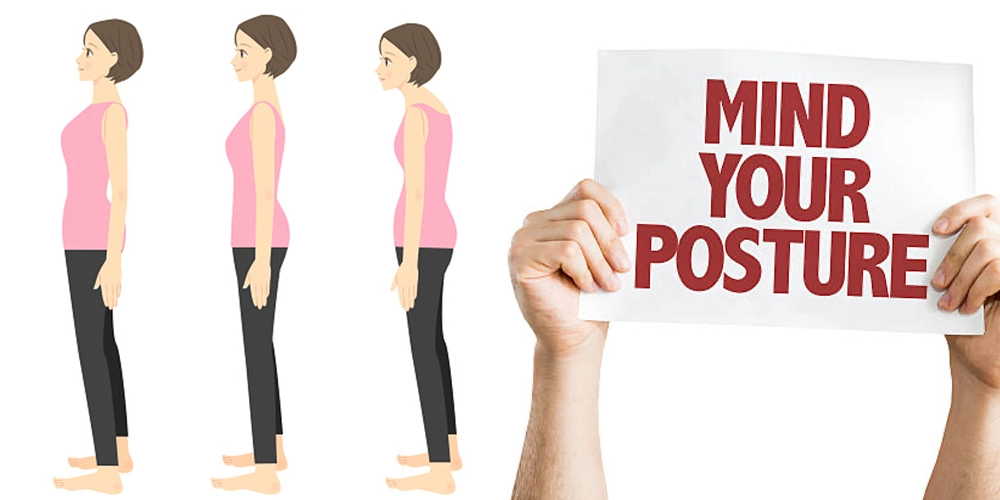
If you spend long hours sitting, take breaks to stand or change positions every 30–45 minutes. Pay attention to how your pelvis tilts and whether your shoulders slump forward — small corrections add up. Investing in a supportive seat cushion or ergonomic setup can further reduce stress on your lower back.
And most importantly, give yourself grace. Sciatica recovery rarely happens overnight. Yet small, consistent steps — along with the right external supports — create a foundation for healing you can build on.
When to Seek Medical Attention
While most cases of sciatica improve gradually, there are times when professional evaluation is essential. Always reach out to a doctor or physical therapist if:
- Pain becomes severe or sudden after an injury
- You experience numbness or weakness that worsens over days
- You have trouble controlling bladder or bowel function
- Pain lasts more than a few weeks without improvement
These can signal deeper nerve involvement or spinal changes that need targeted medical care. The good news is that most people with sciatica recover well with conservative management — a blend of rest, movement, gentle therapy, and support.
FAQ: Your Common Questions Answered
Do back braces help sciatica?
They can — especially when used to support posture and reduce lower back strain. A brace can provide short-term relief and stability, particularly during movement or long sitting periods.
Is it safe to wear a back brace every day?
For short periods, yes. The key is moderation. Use it for comfort or activity support but continue gentle movement to keep your muscles active.
Can a back brace reduce nerve pain directly?
Not directly — it doesn’t change nerve function. But by reducing pressure and inflammation around the irritated structures, it can ease the pain signals traveling along the sciatic nerve.
How long should you wear a back brace?
There’s no one-size answer. Most people benefit from using it during symptomatic periods or activities that trigger pain. Listen to your body — it will tell you when support feels helpful and when it’s time to move freely again.
A Final Thought
Living with sciatica can feel isolating, but understanding your pain turns fear into clarity. A back brace isn’t a cure — it’s a compassionate tool, one that helps you reclaim movement, support healing, and engage in life again.
When combined with mindful posture, gentle activity, and patience, the right support can make every step forward feel a little lighter and a lot more hopeful.
And that’s the quiet power of something as simple as the right brace — not just less pain, but more confidence in your own body.