






Whether you’re recovering from an injury, dealing with chronic discomfort, or simply sitting too long at a desk, finding relief becomes a daily priority. That’s where back pain support products come in.
But here’s the truth most articles won’t tell you: not all support products actually work. Many are poorly designed, overhyped by marketing, or simply wrong for your specific type of pain. This guide cuts through the noise.
How Support Products Actually Work
Back pain support products work through three main mechanisms that address different aspects of back discomfort.
Mechanical support is the most straightforward approach. Products like back braces and support belts physically stabilize your spine, reducing strain on muscles and joints. When your lower back is supported, irritated tissues can heal while you move through your day. This is why braces are so commonly recommended after injury or surgery.
Postural correction addresses a root cause many people miss. Posture correctors and ergonomic cushions train your body to align properly. Poor posture shifts pressure onto specific spinal discs, causing pain that compounds over time. Correcting this pressure distribution provides relief that lasts beyond the moment you take off the product.
Some products, particularly certain braces and posture trainers, remind or encourage you to engage core muscles that have become lazy from sedentary lifestyles. This built-in workout effect strengthens your body’s natural support system over time.
Why Cheap Products Fail
Walk into any pharmacy and you’ll find dozens of back support options at various price points. The cheap ones in the $10-20 range often use flimsy materials that lose shape after a few uses. They might provide a psychological sense of support but deliver little actual pain relief.
Mid-range products in the $30-80 range typically hit the sweet spot. They use quality materials like breathable neoprene or mesh, include adjustable features for proper fit, and are designed based on actual ergonomic research.
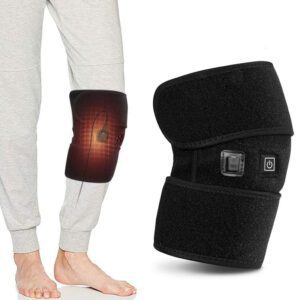
Premium options over $100 often add features like memory foam, specialized support zones, or even built-in heating elements. Whether these extras justify the cost depends on your specific needs and budget.
The Six Main Categories
Not all back pain products are created equal, and more importantly, not all address the same problems. Understanding these six main categories helps you choose what’s actually relevant to your situation.
Back Braces
Back braces are the most recognized category. These rigid or semi-rigid devices wrap around your torso to limit movement and support the spine. They work best for post-surgical recovery, acute injuries like muscle strains or disc issues, severe chronic pain flare-ups, and heavy lifting situations. When choosing a brace, look for adjustable compression straps, a lumbar support pad, breathable material, and rigidity level matched to your condition.
Back Support Belts
Thinner and more flexible than braces, support belts are designed for ongoing wear during daily activities. They’re ideal for office workers with sitting-related discomfort, people who stand for long periods, light activity where full bracing is not necessary, and prevention during heavy lifting. The key difference from braces is that support belts remind your core to stay engaged rather than immobilizing the area.
Posture Correctors
Many back pain issues stem from poor posture, and posture correctors address this directly by physically pulling your shoulders back and aligning your spine. These work best for tech neck and forward-head posture, desk workers with rounded shoulders, anyone whose pain worsens when sitting, and posture-related chronic pain. Start with 20-30 minutes daily and gradually increase. Wearing it eight hours immediately will feel miserable and won’t build lasting improvement.
Ergonomic Chairs and Cushions
Your workstation might be causing your back pain. Ergonomic products address the root cause by improving your sitting position. This category is especially relevant for office workers, the biggest back pain demographic, and anyone spending six or more hours seated daily. If you cannot replace your chair, a quality ergonomic cushion makes a massive difference. Look for memory foam with a coccyx cutout if you have lower back pain.
Lumbar Rollers and Pillows
You spend 6-8 hours in bed. If your mattress does not support your spine properly, nothing else matters. These products help back sleepers who need lumbar support, side sleepers wanting knee alignment, travelers, and anyone whose pain is worse in the morning.
TENS Units and Massage Devices
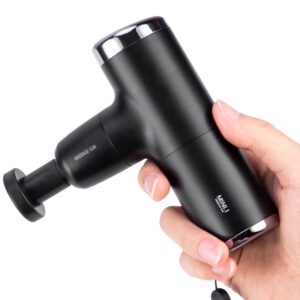
These devices provide active pain management through electrical stimulation or mechanical massage. They work well for muscle tension and spasms, chronic pain that does not respond to support alone, people who want drug-free pain management, and post-workout recovery. These do not fix the underlying problem, but they provide genuine relief and are especially useful for people who cannot take pain medications.
Best Back Braces for Different Pain Types
Back braces are the most powerful tool in the support product arsenal, but only when you choose the right one for your specific pain type.
For lower back pain, the most common type affecting up to 80% of adults at some point, look for a contoured lumbar pad that fits the curve of your lower back, a double-pull compression system for adjustable support, breathable material since the lower back generates heat, and flexible side panels for movement.
For sciatica, which causes pain radiating down the leg from compression of the sciatic nerve, you need targeted lumbar support with higher back coverage, compression that does not restrict circulation, the ability to adjust support level as pain fluctuates, and flexibility enough to sit in comfortably.
For post-surgical recovery, this requires FDA-cleared medical devices, not consumer products. Your surgeon’s specific recommendations are mandatory. Once you’re cleared for less restrictive support, consumer options provide excellent transitional options.
The general guideline for wear time is this: for acute injury or surgery, follow your doctor’s orders. For chronic pain, wear 2-4 hours during activity, not continuously. For preventive use, wear during heavy lifting or prolonged sitting only. Wearing a brace too much can weaken your core muscles. Think of it as a training tool, not a permanent solution.
Back Support Belts for Everyday Use
If back braces are for serious issues, support belts are for everyday life. Think of them as a simpler, more comfortable layer of protection.
Choose a support belt when your pain is mild to moderate, you are mostly sitting or standing, you want something comfortable enough to wear daily, prevention is part of your strategy, or you need something invisible under work clothes.
Choose a brace when you are recovering from injury or surgery, your doctor specifically recommended bracing, you have acute severe pain, or you need maximum support during heavy activity.
For desk workers, look for low-profile elastic belts that sit at your natural waist. They should not roll up or bunch when you sit. For standing jobs, nurses and retail workers need belts with firm lumbar support and additional abdominal compression. For active use, choose a belt with flexible side panels that allow range of motion while still providing support.
A common mistake is wearing the belt too tight. Your belt should be snug, not constricting. Another mistake is putting it in the wrong position. Most people place support belts too high. The belt should sit across your lower abdomen, below your belly button, not around your waist. This is where your core provides the most support.
For most people, mid-range products in the $30-60 range hit the sweet spot. Premium makes sense only if you are wearing the belt daily for years or have specific ergonomic requirements.
Ergonomic Solutions for Desk Workers
Let’s face it: sitting is killing your back. The average office worker sits eight or more hours daily, and most do it in chairs not designed for long-term spinal health.
For office chairs, lumbar support is non-negotiable. Your chair must have adjustable lumbar support to maintain the natural curve of your spine. Look for height-adjustable lumbar support, depth adjustment, and a mesh back for breathability. When seated, your feet should be flat on the floor with your thighs parallel to the ground.
A quality ergonomic chair runs $200-800. Yes, that is expensive. But consider that you spend eight hours a day in it. A $300 chair over five years costs about 16 cents per day. If you cannot afford an ergonomic chair, the right cushion makes a massive difference.
For cushions, memory foam is the most versatile option. Look for memory foam that adapts to your shape, a coccyx cutout for tailbone pain, a non-slip bottom, and a carrying handle for commuting.
Standing desks are popular but not always the best solution. Alternating between sitting and standing works better than either alone. Even a basic anti-fatigue mat makes a difference.
Do Posture Correctors Actually Work
Posture correctors have exploded in popularity. But do they actually fix posture, or just hide the problem?
Here is the honest answer. Posture correctors do well at providing tactile feedback when you slouch, physically pulling your shoulders back into alignment, creating awareness of your posture throughout the day, and offering temporary relief from posture-related pain.
They cannot instantly fix years of bad posture, strengthen muscles without your effort, replace ergonomic workstation improvements, or address underlying structural issues.
A posture corrector is a training tool, not a permanent solution. It reminds you to sit up straight and creates the position for your muscles to practice. But the muscles need to actually get stronger.
For most people, after about 30 days you will have increased awareness and some reduction in end-of-day pain. After 60 days, you may see visible improvement in posture. After 90 days, the new habit forms and you can sit up straight without thinking about it.
See a professional if your pain is severe or getting worse, you have numbness, tingling, or weakness in arms or legs, you have tried posture correctors for a month with no improvement, or you have a known spinal condition.
Choosing the Right Product for Your Pain
With all these options, how do you pick what is right for your situation?
For lower back pain, the primary choice is a lumbar support belt or back brace. Secondary options include an ergonomic seat cushion and lumbar pillow for sleep. Add a TENS unit for flare-ups.
For mid-back or upper back pain, start with a posture corrector to address the forward-slouch cause, then add ergonomic workstation setup and a massage device for muscle tension.
For neck pain, which is often connected to posture, use a monitor stand with ergonomic setup, add a posture corrector for neck alignment, and consider a cervical pillow for sleep.
For sciatica, use a back brace with higher back coverage, add seated lumbar support for driving and sitting, and consider heat therapy plus TENS combination.
Most people benefit from combining two or three categories. Build your kit strategically. Start with one thing and add based on your situation.
What Users Actually Say
Marketing claims are one thing. Real user experiences are another.
For back braces, the pattern is clear: they work best when there is a specific problem like injury, surgery, or herniated disc. They are less effective for vague my-back-hurts-sometimes situations.
For ergonomic changes, the pattern is also clear: they work because they address the cause, not just the symptom. Results take longer than a brace but are more lasting.
Some products disappoint. Cheap posture corrector that dig into shoulders and are uncomfortable do not work. TENS units mask pain but do not fix anything. Memory foam cushions that flatten out after two months are not really memory foam.
Products that consistently deliver include quality lumbar support belts in the $40-60 range, memory foam seat cushions with coccyx cutouts, ergonomic office chairs in the $200-400 sweet spot, and adjustable posture correctors with padding.
Products with mixed results include TENS units, posture shirts, very cheap braces under $20, and very expensive miracle products.
Products that underwhelm include magnetic back braces with no scientific evidence, one-size-fits-all products, and non-adjustable supports.
What Real Buyers Regret — And What They Love
After analyzing thousands of verified buyer reviews across Amazon, Walmart, and medical supply retailers, clear patterns emerge about what works in real life versus what looks good in marketing photos.
Buyers consistently regret magnetic back braces. Despite claims about improved circulation, no clinical study supports magnetic therapy for back pain relief. People who bought these often report the magnets fell out after washing or the magnetic feature had zero perceptible effect. The takeaway: if the product relies on unproven technology, skip it.
Buyers also regret one-size-fits-all products. Bodies vary enormously. A support belt designed for a 30-inch waist behaves completely differently on a 48-inch waist. The velcro overlaps, the lumbar pad sits in the wrong place, and the whole device becomes useless. Always check sizing charts carefully. If a product claims one-size-fits-all, that is a red flag, not a convenience.
On the positive side, buyers love lumbar support belts with removable hot and cold packs. The ability to alternate between heat therapy for muscle relaxation and cold therapy for inflammation control makes these far more versatile than standard belts. People recovering from herniated discs particularly praise this feature because their pain fluctuates between deep muscle tightness and sharp nerve irritation.
Buyers also love memory foam seat cushions with coccyx cutouts. The relief is immediate. Within the first hour of sitting, pressure on the tailbone disappears. The non-slip bottom matters more than people expect. A cushion that slides off the chair every time you stand becomes frustrating fast.
Posture correctors with padded shoulder straps receive consistent praise while unpadded versions get complaints about digging and discomfort after 20 minutes. The padding is not a luxury feature. It is the difference between wearing the device consistently and abandoning it in a drawer.
Budget, Mid-Range, or Premium: The Real Difference
Understanding price tiers helps you spend wisely rather than assuming more money equals better results.
Budget products in the 15 to 30 dollar range typically use basic elastic construction with simple velcro closure and limited adjustability. These work for occasional use, like wearing a brace during a single weekend of moving furniture. For daily wear, the materials compress and lose shape within weeks. The elastic stretches out, the velcro collects lint and loses grip, and the lumbar support becomes a suggestion rather than a reality.
Mid-range products in the 30 to 80 dollar range represent the sweet spot for most people. Quality materials like breathable neoprene or perforated mesh allow air circulation during long wear periods. Multiple adjustment points let you customize compression level as your condition changes. Reinforced lumbar support maintains its shape through months of daily use. For someone wearing a support belt five days a week at an office job, this tier provides the durability and comfort needed without unnecessary features.
Premium products ranging from 80 to 150 dollars add features that matter for specific situations. Memory foam lumbar pads conform to your exact spinal curve over time. Some include pockets for hot and cold therapy packs. Others use advanced materials like carbon fiber stays for rigid support without the weight of steel. These make sense if you are wearing the device daily for years, have complex post-surgical needs, or require specific ergonomic adjustments.
The decision framework is simple. If you need the product for a temporary situation, budget is fine. If you will wear it daily for months, invest in mid-range. If you have permanent structural issues or wear it all day every day, premium features become justified.
Three People, Three Different Setups That Worked
Real scenarios help clarify how to build your personal back pain relief toolkit.
Sarah is a 34-year-old software developer who works from home. She sits for ten hours daily in a dining chair that offers no lumbar support. Her pain was mild but constant, a dull ache across her lower back that worsened by Thursday each week. Her solution combined three products. She started with a memory foam seat cushion with a coccyx cutout, which eliminated the tailbone pressure that aggravated her pain. She added a posture corrector for 45 minutes each morning, which reduced the forward head posture causing upper back tension. Finally, she installed a monitor stand to bring her screen to eye level, stopping the neck strain that radiated down into her shoulders. Within three weeks, her Thursday pain spikes disappeared entirely.
Marcus is a 52-year-old warehouse supervisor who threw out his back lifting a heavy pallet. The acute phase required a rigid back brace with steel stays for the first two weeks. He wore it during work hours only, removing it for meals and bathroom breaks. After the acute phase, he transitioned to an elastic support belt for preventive wear during lifting tasks. Six months later, he uses the belt only on heavy lifting days and has added a daily stretching routine his physical therapist recommended. The brace was essential for recovery. The belt prevents recurrence.
Elena is a 41-year-old nurse who stands for twelve-hour shifts. Her pain was sciatica that flared unpredictably, sometimes manageable, sometimes debilitating. She needed a back brace with adjustable compression that she could tighten on bad days and loosen on good days. The key feature was flexibility. A rigid brace would prevent her from bending to care for patients. An elastic belt would not provide enough support during flare-ups. She chose a semi-rigid brace with removable stays, allowing her to customize support level throughout her shift. She pairs this with a TENS unit during breaks for muscle relaxation. The combination lets her work full shifts without missing days.
These three scenarios show different product combinations for different lifestyles. The common thread is that each person matched products to their specific situation rather than buying the highest-rated item on Amazon and hoping it worked.
Your Action Plan
If you are dealing with back pain right now, here is a practical starting point.
For the first week, focus on immediate relief. If your pain is acute and severe, see a doctor before self-treating. If your pain is mild to moderate and you spend most of your day sitting, start with a memory foam seat cushion and a basic lumbar support belt. These two products address the most common causes of modern back pain without requiring lifestyle changes or exercise commitments.
For the second through fourth weeks, add posture correction. Wear a posture corrector for 30 minutes daily while sitting. During this time, set up your workstation properly. Raise your monitor, position your keyboard at elbow height, and use a headset instead of cradling your phone. These changes compound. The posture corrector builds awareness. The ergonomic setup removes the cause. Together, they create lasting improvement.
For ongoing maintenance, evaluate what you actually need. Many people find they can reduce or eliminate brace and belt use once posture and ergonomics improve. Others, like warehouse workers or nurses, need ongoing support for their physical demands. There is no shame in using a support belt daily if your job requires it. The goal is pain-free function, not minimal product use.
Track your progress. Note which days are worse and what preceded them. Did you skip the posture corrector? Did you sit in a conference chair without your cushion? Did you lift something heavy without your belt? Patterns emerge quickly when you pay attention. Use those patterns to refine your product choices over time.
Finally, remember that support products are one part of the solution. Core strengthening exercises, regular movement breaks, and professional guidance when needed all play roles. The products get you functional. The habits keep you there.
Conclusion
After exploring every category of back pain support products, here is what actually matters.
First, identify your pain type first. Do not buy randomly. Lower back pain needs different support than sciatica or posture-related discomfort.
Second, quality matters more than price. The $15 brace from a gas station will not help. Mid-range products hit the sweet spot for most people.
Third, support products are tools, not solutions. They help you function while you address the root cause. Combine them with ergonomic improvements, targeted exercises, and professional guidance when needed.
Fourth, consistency beats perfection. A quality product you use every day beats a better product you leave in your closet.
Your back pain does not have to be permanent. The right support products, used consistently, can get you back to doing what you love, pain-free.